Setting the right direct mail frequency can mean the difference between a forgotten note and a signed contract. Many business owners launch a single mailing, wait two weeks for the phone to ring, and assume direct mail does not work if they do not receive an immediate flood of calls.
In reality, prospects rarely act on the first contact—no matter how compelling your message is. They might be busy, out of the office, or simply not ready to buy on the exact day your letter arrives. A single touchpoint catches people only in a brief, accidental window of time.
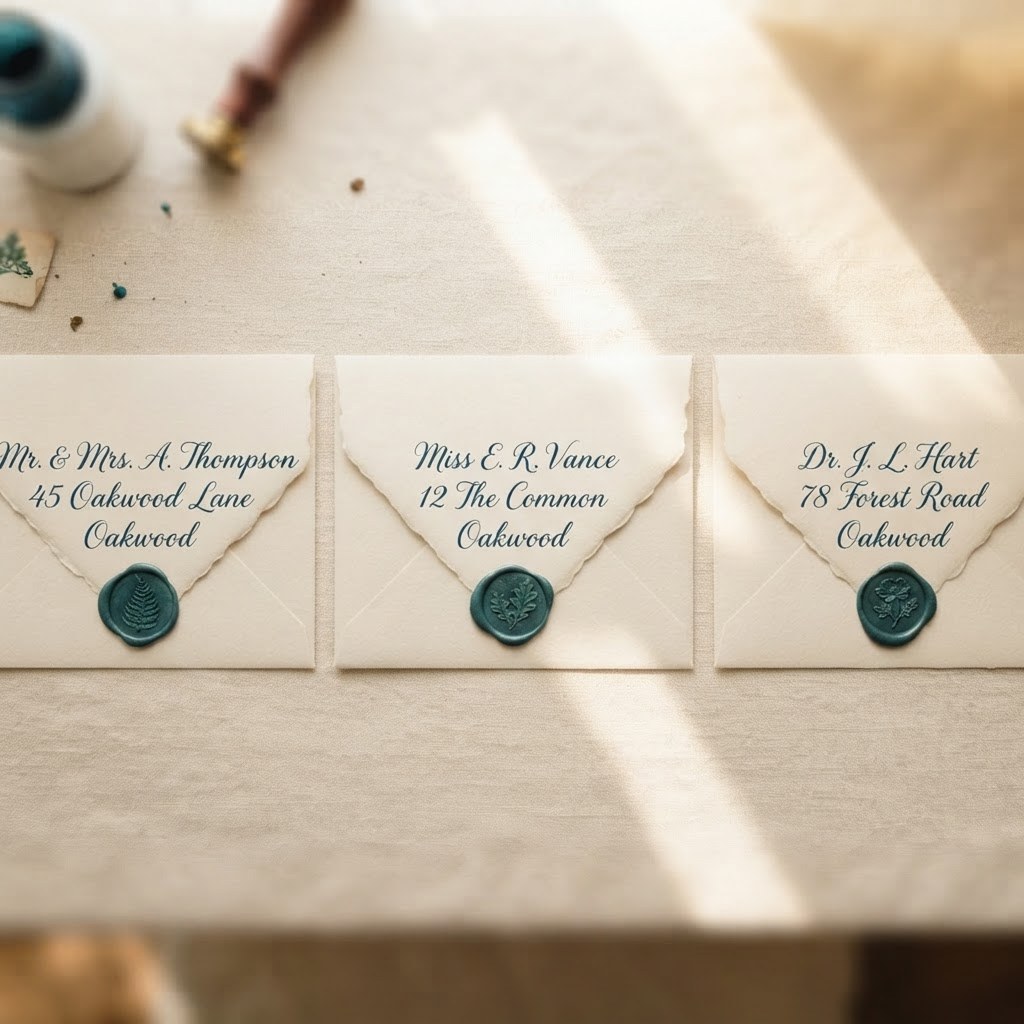
A structured multi-touch campaign builds familiarity over time. When prospects receive thoughtfully spaced letters written in genuine ballpoint ink, your business moves from a stranger to a recognized, trusted option in your market.
Why Does Single-Touch Mail Underperform?
Think about your own daily routine. When an interesting proposal lands on your desk, you might intend to respond, but an urgent meeting or phone call distracts you. By the end of the week, that paper is covered by newer tasks, and the initial momentum is lost.
A single letter relies on perfect timing. If the recipient is overwhelmed on Tuesday, your offer gets set aside. If you never follow up, that potential deal evaporates silently without you ever knowing.
Adjusting direct mail frequency for your target audience solves timing issues completely. Reaching out multiple times ensures your offer arrives when the prospect is actually ready to make a decision. Nonprofits, for example, use scheduled touchpoints to build lasting donor relationships. Explore donor outreach strategies on our nonprofits industry page.
What Spacing Works Best Between Letters?
Frequency requires balance. Mailing too often can annoy prospects, while waiting too long between letters allows them to forget who you are. The ideal window for physical direct mail is spacing letters three to four weeks apart.
A three-touch sequence spread over two to three months keeps your name fresh without feeling pushy. The first letter introduces your business and outlines your primary benefit. The second letter highlights a specific problem you solve or shares a hypothetical example. The third letter offers a direct, low-pressure invitation to speak.
Because each piece is written with a real ballpoint pen on quality cream paper, every touch feels personal rather than automated. You can read common timing questions and schedule options on our frequently asked questions page.
How Do You Vary Your Message Without Distracting the Prospect?
Sending the exact same letter three times in a row feels repetitive and lazy. Effective multi-touch campaigns adjust the focus of each message while keeping the core offer consistent throughout the series.
Your second letter might focus on a secondary benefit, such as turnaround speed or cost savings. Your third letter can be a brief, two-paragraph check-in asking if their priorities have shifted this quarter. Varying the angle gives prospects new reasons to engage each time they open your envelope.
Because every letter achieves a 98% open rate, you know each message in your sequence is actually being read. Over three touches, your cumulative exposure creates unmatched brand authority and mindshare in your target area.
- Optimal spacing: Send follow-up letters 21 to 30 days apart for maximum recall.
- Evolving messaging: Shift the focus of each letter to address different prospect needs.
- Compound recall: Multiple physical touches make your business the obvious choice when needs arise.
- High open consistency: Hand-addressed envelopes maintain 98% open rates across all touches.
Persistence delivered with genuine warmth turns cold contact lists into active sales conversations. Plan your sequence, stay consistent, and watch your responses grow. Visit the Real Ink Letters shop today to order your multi-touch campaign sequence.
Leave a Reply